If you love the warmth and character of real wood underfoot, you will quickly meet the age-old question: engineered or solid wood? Both look beautiful, both can add value, and both last for years when fitted well. The right choice depends on your room, lifestyle and budget. Here is a practical guide to help you decide, with examples from the kinds of projects we complete across Grantham and the surrounding villages.
What is solid wood flooring?
Solid wood boards are made from one piece of timber. Each plank is cut, profiled and finished as a single species throughout. This gives you a classic look and a floor that can be sanded and refinished multiple times over its life.
If you already know you want the timeless feel of oak or the richness of walnut, take a look at our wood floors page to see popular grades, plank sizes and finishes.
Pros of solid wood
-
Authentic feel underfoot and a unique grain pattern in every board
-
Can often be sanded several times across its lifespan
-
Ages beautifully, developing a natural patina
Things to consider
-
More movement with fluctuations in temperature and humidity
-
Not recommended for areas with higher moisture, such as kitchens that see frequent spills or homes with underfloor heating unless the specification allows
-
Installation usually takes longer and needs a very stable subfloor
What is engineered wood flooring?
Engineered wood is built in layers. A real hardwood wear layer is bonded to a stable core, usually multi-ply. From the surface it looks and feels like solid wood. The layered construction adds dimensional stability, which is why engineered wood is often chosen for spaces that experience more temperature changes.
If you want the real-wood look with more flexibility for where it can be fitted, browse our wood floors for engineered options in different thicknesses and finishes.
Pros of engineered wood
-
Greater stability, helping to reduce cupping or gapping
-
Suitable for most rooms, including kitchens and areas with compatible underfloor heating
-
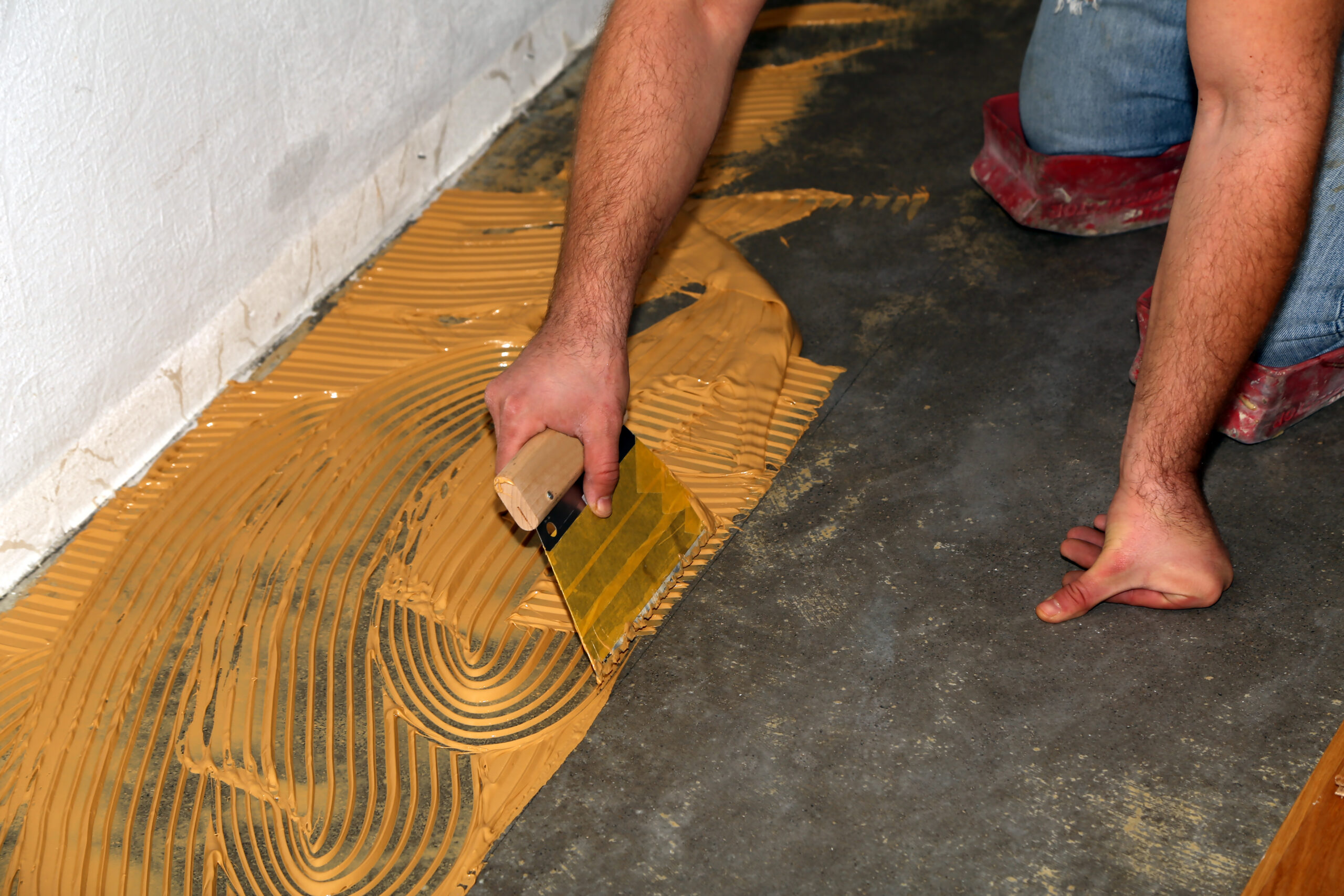
Faster installation in many cases, with click or glue-down systems
-
Can be sanded and refinished, depending on wear layer thickness
Things to consider
-
Limited number of future sandings compared with thicker solid boards
-
Very low-grade products on the market can vary in quality, so specification matters
Room-by-room guidance
Living rooms and bedrooms
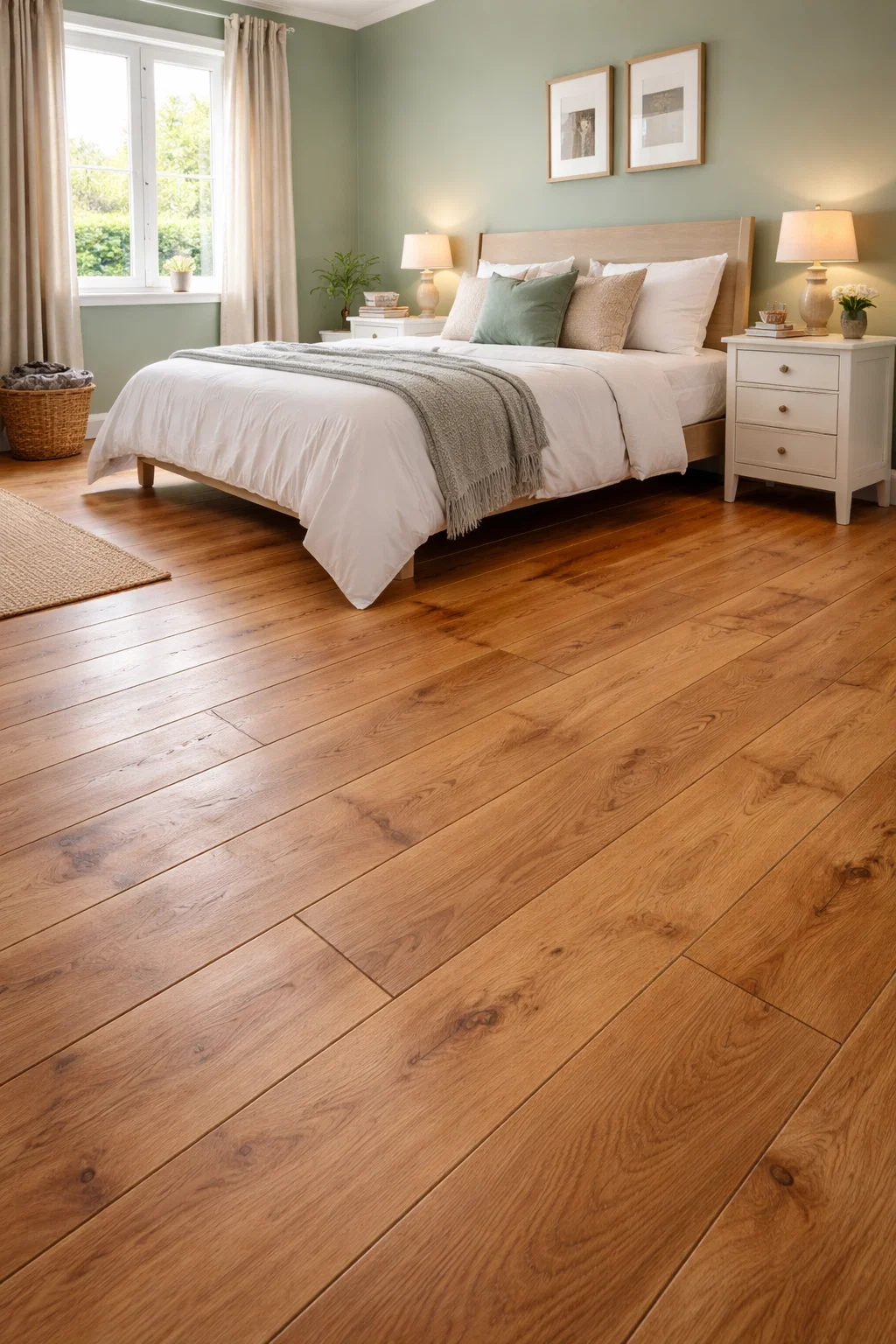
Both engineered and solid wood work well here. Think about the look you want and how much natural light the room gets. Wider planks can make small rooms feel calm and open. If you are not sure which tone or board width will suit, our gallery is a good place to get ideas.
Kitchens and open-plan spaces
Engineered wood usually wins for kitchens. The extra stability helps when the oven is on, doors open to the garden and there are the occasional spills. If you are debating wood versus alternatives, have a quick look at luxury vinyl tile too. LVT gives a wood look with high water resistance and can be a smart choice for busy family homes.
Hallways and high-traffic areas
Hallways see grit and shoes. A tough finish matters. Brushed and oiled textures hide wear better than high-gloss lacquers. Engineered oak with a durable finish is a common pick. For homes with dogs or energetic kids, some families choose a practical option like carpets on stairs and landings, then wood in the hall for a balanced scheme.
Underfloor heating
Underfloor heating and engineered wood are a natural pairing because of the board stability. Solid wood can work in limited situations with the right thickness and species, but always check the specification. We are happy to talk through your system and suggest suitable boards. If you want tailored advice, you can contact us and we will outline the options.
Finishes and maintenance
Oiled vs lacquered
-
Oiled finishes soak into the surface and give a matte, natural look. They are easy to spot-repair.
-
Lacquered finishes sit on top of the wood and are easy to keep clean. They suit households that prefer low-maintenance routines.
Textures
Brushed grain, hand-scraped detail or light distressing can disguise day-to-day wear. Smooth surfaces suit contemporary spaces but may show fine scratches sooner.
Cleaning routine
Dry sweep or vacuum with a soft head. Mop lightly with a wood-safe cleaner. Put felt pads under furniture feet and use mats by external doors. A simple routine keeps the floor looking great.
Cost and value
Prices vary with species, thickness and finish. As a rule of thumb, engineered wood of good quality often gives you a lower installed cost than like-for-like solid wood, yet still delivers the appearance you want. Either way, a well-specified wood floor can lift a home and make rooms feel warmer and more refined.
If you would like ballpark figures for your rooms, send measurements or book a home visit through contact us. You can also see how wood sits alongside other surfaces in our recent case studies.
Installation: what to expect
-
Survey and prep
A site survey checks moisture, subfloor level and access. Any prep work is agreed in advance so there are no surprises. -
Underlay and fitting
Depending on the product, we may float, glue down or secret-nail the boards. Acoustics, underfloor heating and room size all play a part. -
Finishing details
The right thresholds, trims and colour-matched scotia make a big difference to the finished look.
For a full end-to-end service, from advice and supply to fitting and aftercare, learn more about us and how we work with homeowners across Grantham.
Which should you choose?
-
Choose solid wood if you want maximum lifespan for repeated future sanding, love the tradition of a single-species board and have stable room conditions.
-
Choose engineered wood if you want the versatility to fit across more rooms, including those with underfloor heating, and prefer a slightly easier installation.
Still undecided? Many clients start with engineered oak in the busiest spaces, then use solid boards in quieter rooms. Others mix textures, pairing wood in social areas with luxury vinyl tile in the utility or carpets on the stairs for comfort and noise control.
Ready to plan your floor?
If you have a few inspiration photos and rough room sizes, we can give you options and indicative costs. Explore recent projects in the gallery, then contact us to arrange a measure or request samples.
FAQs
Is engineered wood “real wood”?
Yes. The top wear layer is genuine hardwood. The layered core underneath adds stability.
How many times can engineered wood be sanded?
That depends on the wear layer. As a guide, a 3 mm wear layer might allow one light sand in future, while thicker wear layers allow more.
Can solid wood go in a kitchen?
It can in some cases with careful humidity control and the right finish, but engineered wood is generally the safer, lower-risk choice for most kitchens.
Will wood flooring mark easily with pets?
All real wood can mark, but textured, matte finishes help disguise light scratches. Using door mats and keeping claws trimmed goes a long way.
What if I decide wood is not right for a bathroom?
Consider luxury vinyl tile for a water-resistant look that pairs well with wood elsewhere in the home.